John Smith

I am a Writer

John Doe

Lorem ipsum dolor sit amet, consectetuer adipiscing elit, sed diam nonummy nibh euismod tincidunt ut laoreet dolore magna aliquam erat volutpat. Ut wisi enim ad minim veniam, quis nostrud exerci tation ullamcorper suscipit .
Erat volutpat. Ut wisi enim ad minim veniam, quis nostrud exerci tation ullamcorper.

  • 3066 Stone Lane, Wayne, Pennsylvania.
  • +610-401-6021, +610-401-6022
  • admin@mydomain.com
  • www.yourdomain.com
Me

My Professional Skills

Lorem ipsum dolor sit amet, consectetuer adipiscing elit, sed diam nonummy nibh euismod tincidunt ut laoreet dolore magna aliquam erat volutpat.

Web Design 90%
Web Development 70%
App Development 95%
Wordpress 60%

Awesome features

Aliquam commodo arcu vel ante volutpat tempus. Praesent pulvinar velit at posuere mollis. Quisque libero sapien.

Animated elements

Lorem ipsum dolor sit amet, consectetur adipiscing elit. Sed tempus cursus lectus vel pellentesque. Etiam tincidunt.

Responsive Design

Pellentesque ultricies ligula a libero porta, ut venenatis orci molestie. Vivamus vitae aliquet tellus, sed mollis libero.

Modern design

Duis ut ultricies nisi. Nulla risus odio, dictum vitae purus malesuada, cursus convallis justo. Sed a mi massa dolor.

Retina ready

Vivamus quis tempor purus, a eleifend purus. Ut sodales vel tellus vel vulputate. Fusce rhoncus semper magna.

Fast support

Suspendisse convallis sem eu ligula porta gravida. Suspendisse potenti. Lorem ipsum dolor sit amet, duis omis unde elit.

0
completed project
0
design award
0
facebook like
0
current projects
Showing posts with label Cancer. Show all posts
  • My 5 Favorite Cancer-Fighting Essential Oils & 5 Ways to Use Them

    Essential-oil-uses-massage-lavender-frankincense


    I am definitely of the belief that one of the most powerful forms of plant-based medicines in the world is essential oils. From promoting relaxation to soothing skin scrapes, to supporting healing and the fight of disease, essential oils offer countless benefits to your life.
    Let me be clear – the use of these oils is no “fad.” Essential oils have thousands of years of history in traditional medicine, in the most ancient of cultures. The Egyptians, the Chinese, the Greeks… they all used essential oils.
    From the times of Biblical medicine on through to today, essential oils are used throughout the world. Until fairly recently they’ve been better accepted and popular outside of the United States… but I’m happy to see that so many Americans are catching on to the immense benefits of these healing oils.
    One of my favorite examples of the long history and effectiveness of essential oils is about a group of thieves in England who, despite daily contact with corpses who had succumbed to the Black Death (the plague), didn’t get sick.
    The story goes that the King heard about these men who would enter the homes of those taken by the plague, rob them of all their valuables, yet did not fall ill from the highly contagious disease. The King had these thieves captured and when they were brought in front of him, he demanded they reveal their secret.
    They confessed to being from a family of a long line of apothecaries. They were familiar with the immune protection provided by certain blends of oils, which they would rub all over their bodies, before going thieving. They say the King forced the men to reveal their recipe and then subsequently used the oils to protect himself and his family from the ravages of the Black Death. They also say the recipe is still in the Royal archives to this day.
    Now I don’t know if all this is all true or not, but the moral of the story is certainly sound. My own personal appreciation of the wide variety of benefits of essential oils (including their ability to protect the body from harm) began during my initial travels for The Quest For The Cures and A Global Quest docu-series. It was then that I realized how truly overlooked essential oils are as a component of the puzzle that is health and healing from disease.
    These days, my family and I use essential oils in a variety of ways on a daily basis. Our uses for these therapeutic powerhouses are wide-ranging. I’ll list out more further down, but a few ways we personally use essential oils include as medicines, for personal care products, as our cleansing agents, and more.
    Why do we believe everyone should follow in our footsteps and rely on essential oils, too?
    It’s simple. My family has opted to use safe, natural remedies that have thousands of years of history proving their benefits, over a dependence on prescriptions of synthetic drugs that have a long list of side effects which are nothing short of dangerous.
    Likewise, we prefer to use personal care products and household cleaners that are superior alternatives to those containing toxic ingredients. We get the same, or even better results, while losing the risk of damaging our bodies.
    Charlene and I are frequently asked about what essential oils we favor, and also how we use them. So, I thought I’d share with you some of our favorite anti-cancer oils and some tips for uses. Before I list my favorite essential oils for preventing and healing from cancer, just a reminder that when you are choosing essential oils to always look for the highest quality. You want oils that are certified organic, with 100% purity.

    My Favorite Anti-Cancer Oils (in alphabetical order)

    1. Frankincense 
    Frankincense may well be my number one favorite essential oil for its anti-cancer properties. It is anti-inflammatory, for one, which is vital in the quest to heal from all cancers. Specifically, frankincense has been shown to be a potent inhibitor of 5-lipoxygenase, an enzyme responsible for inflammation in the body.
    Frankincense essential oil also helps boost immune function and prevent illness by dangerous pathogens by multiplying white blood cells and modulating immune reactions.
    It also helps improve circulation, and reduce stress (it has sedative properties), as well as being a known pain reliever. Oil of frankincense has been shown to contract and tone tissues, which helps to speed regeneration.
    Frankincense is also shown to provide neurological support, including the ability to destroy toxins that may lead to neurological damage.
    However, this essential oil has several benefits beyond cancer treatment, including easing arthritis pain, balancing hormones, encouraging skin health, and aiding digestion.
    2. Lavender
    As we’ve written elsewhere on The Truth About Cancer site, lavender essential oil contains the phytochemicals perillyl alcohol and linalool, both found to support cancer healing. Not only is lavender a known pain reliever, true lavender (Lavandula angustifolia) is anti-tumoral, and has demonstrated significant results in resetting the programmed cell death usually lacking in cancer cells. It has been observed to reduce the weight of tumors, and inhibit cell growth.
    Lavender essential oil reduces stress and supports the function of the immune system. Quality of sleep is improved. Depression and anxiety are relieved. All of these go towards supporting the immune system in the often immunocompromised cancer patient. Yet lavender oil has several direct anti-bacterial properties, as well.
    Studies have shown lavender essential oil to be effective against many common germs, as well as the more serious ones such as Staphylococcus aureus (“golden staph”). It does so by supporting the macrophages and phagocytes systems in the body, as well as helping the body fight the infection through its influence on genetic activity.
    3. Myrrh
    Myrrh is one of those somewhat obscure essential oils that has a variety of powerful healing properties that should not be overlooked. In terms of cancer, myrrh essential oil exhibits notable effects on cancer cell growth, and contains anti-inflammatory properties.
    In addition, myrrh is known to support healthy hormone balance, which can be essential in cancer healing. Like lavender and frankincense, myrrh oil has long been used as a pain reliever. It is also anti-fungal. With all these qualities, myrrh is a potent therapeutic support for your health.
    4. Peppermint
    Peppermint is another “wonder-oil,” with a wide range of benefits. This essential oil’s cancer benefits come from its phytochemicals limonene, phytochemicals beta-caryophyllene, and beta-pinene, which have defined cytotoxic and anti-inflammatory effects.
    Studies have also shown peppermint essential oil to reveal antioxidant and cancer inhibiting properties, suppressing growth of tumors. In addition, peppermint oil contains antiangiogenic properties, which prevent tumors from developing their own blood supply.
    Peppermint essential oil is a well-known antiseptic, with antimicrobial components that benefit respiratory infections (such as bronchitis), open wounds, tonsillitis, and laryngitis. Peppermint is so powerful it’s even useful against stronger bacterias such as Staphylococcus aureus and others that are often antibiotic resistant.
    5. Turmeric (Curcumin)
    In labs, curcumin has been found to inhibit enzymes such as COX-2 that cause inflammation which can lead to cancer, to activate a gene that suppresses tumors, cut cancer cells off from their fuel and oxygen sources, to kill large B-cell lymphoma cells, prevent cancer stem cells from regrowing, and stop the spread of cancer (metastasis).
    Turmeric essential oil has been shown in studies to differentiate between normal and cancerous cells, while promoting apoptosis (cancer cell death).
    This power-house oil has other benefits as well, including: helping to regulate blood sugar, help wounds heal faster, prevent Alzheimer’s disease, prevent help you lose weight, and ease arthritis.

    5 Tips for Using Essential Oils for Heath & Healing

    Using essential oils is so integral to my family’s life, it’s hard to list every way we use them! However, here are some top tips for using essential oils in your daily life. [Be sure to check my list of precautions below to get the most from your oils.]
    1. Put a drop behind your ears. For example, every day my wife Charlene uses myrrh and frankincense behind her ears and on her lymph nodes as a prophylactic (preventative protection). Lavender or peppermint would be good for respiratory issues, or simply to relax. You can rub on the back of the skull, the breasts, or the bottoms of your feet.
    2. Use a cold diffuser. We love to diffuse essential oils throughout our home. We do it for added mental clarity, and immune support for the entire family. My office is always filled with the therapeutic aromas of a variety of essential oils.
    3. Royal-Whipped-Body-Butter[/tn_pap_link]Massage into the skin. Some essential oils, like peppermint and clove, are very strong and you’ll do well to choose a good “carrier oil.” You use a good quality, organic (preferably cold-pressed) oil like coconut, olive, or jojoba to mix in a few drops of the essential oil of your choice. You can then massage this simple “body butter” onto your skin. For a bit fancier body butter, use a mixer to whip solid coconut oil with essential oil. Use this mixture to apply directly to affected areas (such as with pain, arthritis, or digestive issues), and for quick absorption and overall health benefits.
    4. Ingest Internally. One of my favorite, refreshing drinks I like to make is a “Peppermint Lemonade.” I simply take 5-10 drops of peppermint essential oil, about a dozen drops of lemon (or orange or tangerine oils, depending on my mood), add water, some organic green stevia, and ice in a large pitcher. It’s a super-fast, healthy beverage that I love. It’s also delicious as a hot beverage (use hot water and omit the ice). If you’re just making one cup at a time, use only 1 drop of peppermint + 1 drop of a citrus oil. Essential oils are powerful and a little goes a long way! You can also use a few drops of essential oils in an empty gel capsule and swallow it.
    5. Toothpaste. You can make a variety of personal products using organic essential oils and other non-toxic ingredients: lotions, face washes, mouthwash, soaps. A toothpaste is easy to make using high quality, certified organic frankincense, myrrh, and coconut oil. Maybe add in some baking soda if you prefer, too.

    Precautions for Using Essential Oils:

    1. Quality. This is so important that it bears repeating. Always use a top-quality, medicinal grade oil. It should be certified organic, and 100% pure. Check the reputation of your supplier, and ensure there are no fillers or additives.
    2. Keep oils away from sensitive areas. Essential oils are nature’s powerhouses. Keep in mind they are 40-50 times more potent than the plant itself. Some oils are more “spicy” than others. Some taste better than others. Oregano is one that can burn a bit when you ingest it directly. Peppermint requires caution, and usually does best with a carrier oil when applying to the skin. Never apply essential oils to sensitive areas of the body, including the genitals or near your eyes.You should also test new oils to ensure there are no reactions before applying too liberally. You can start by doing a sniff test of the oil in the bottle. If that seems fine, then apply a dab of carrier oil to the inside of your wrist or arm, add a drop of oil and wait to see if there is any redness, itching, or swelling. Everybody and every body is different so you may need to try different oils to see which ones feel best to you.
    3. Do not heat oils. You’ve probably seen or even have one of those oil burners for using essential oils. What you may not know is that heating these oils destroys their healing properties. It’s always best to use a cold diffuser. These are plentiful and economically priced online.
    4. Children. Always be cautious when using essential oils with children. Diffusion is safest. For direct application, it’s important to dilute the stronger oils, especially with a good carrier oil. When making body butters or massage oils for children, use 1 drop of essential oil to 4 tablespoons of carrier oil. This will dilute the essential oil enough to make it more tolerable and safer for your child. Be very careful not to place near the eyes and always do a sensitivity test first.
  • 4 Ways to Keep Your Lymphatic System Healthy

    lymphatic-system-activation


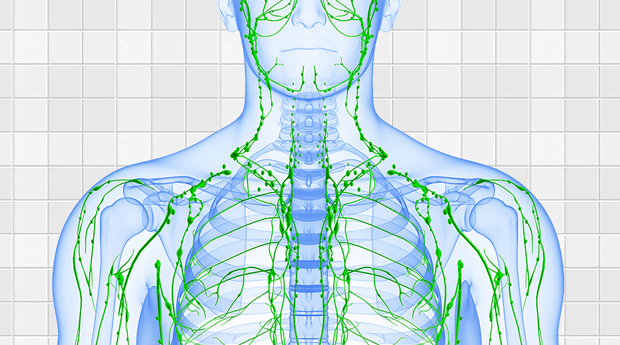
    Having a fully functioning lymphatic system is critical for your overall health and ability to fight cancer. Yet so few people are knowledgeable about the lymphatic system. What’s even more concerning is that only a small percentage of health care practitioners ever discuss lymph health with their patients.
    The lymphatic system includes your bone marrow, tonsils, adnoids, spleen, thymus, lymph nodes, and lymphatic vessels which are a web of very thin tubes that lay just beneath the surface of your skin. It is an independent circulatory system that works in partnership with your blood circulatory system as well as your immune system. Your lymphatic system provides a variety of immune functions that ward off infections, viruses, injury… and even cancer.
    Lymphatic vessels lead into lymph nodes. The body has around 600 to 700 of these nodes concentrated in the groin, neck, armpits, around the heart, lungs, and intestines. The largest concentration of lymph tissue called gut-associated lymphatic tissue (GALT) surrounds the intestines and is made up of immune cells called lymphocytes.
    It is important to emphasize that unlike blood circulation (propelled by the pumping action of the heart in many directions), lymphatic fluid flows primarily upwards towards the neck. The lymphatic system has no pump of its own and must rely on the movement of the body’s musculoskeletal system to circulate. In other words, as you move your body YOU become the pump.
    Through movement, lymph fluid circulates and is able to do its many vital functions. There are a variety of self-help techniques you can do on a regular basis to keep your lymph system healthy and functioning efficiently. The 4 ways listed below can mostly all be done at home, although some special equipment (as outlined) may need to be purchased.

    4 Ways to Activate Your Lymphatic System

    #1 – Movement

    Lymphatic vessels are activated during movement of the musculoskeletal system. The main lymph vessels run up the legs, arms, and torso so moving these areas will move the most lymph. Studies show that daily moderate exercise significantly reduces recurrence risk for breast cancer, in part due to its effect on the lymphatic system. It is highly likely that it also provides a reduction in all cancers. Fortunately, exercise and physical activity come in many forms:
    • Activities such as dancing, gardening, climbing stairs, physical labor, household chores and others that require movement and the contraction and relaxation of muscles.
    • Exercise and sports – walking (especially brisk walking while swinging your arms), running, biking, yoga, Pilates, tennis, golf, swimming, weight lifting, aerobics, jumping jacks, rope jumping, and many others.
    • Rebounding – jumping up and down on a mini-trampoline. (More on this topic below)
    If you love exercising, then that’s great. If you’re someone who does not, it’s important to do some type of physical activity. Pick something that you enjoy doing such as cycling, dancing, gardening, tennis, or golf. Consider finding a walking or exercise partner to make it fun and to hold one another accountable. Above all, it is important to make movement a regular part of your daily routine, just as you would eating and sleeping well.

    #2 – Deep Diaphragmatic Breathing

    While muscular movement clearly helps the lymphatic system, deep breathing is equally important. Dr. Jack Shields, a prominent lymphologist, conducted a study in 1979 that showed deep diaphragmatic breathing causes the lungs to press into the thoracic duct (after its purification by lymph nodes etc.) which presses the fluid from there back into the blood stream where it belongs. This relieves the pressure off of millions of check valves throughout the entire system.
    Deep diaphragmatic breathing facilitates movement of lymph through the bloodstream and dramatically increases the elimination of toxins. It’s simple to do. Breathe deeply in through your nose and hold for four counts. Exhale through your mouth for two counts. As you get better at this, you can increase the time – for example breathe in for a count of five, hold for 20 counts and exhale for a count of 10.
    Exhaling for twice as long as inhaling brings oxygen to the blood and activates the lymphatic system. Perform deep diaphragmatic breathing two or three times a session, three times a day. You can do this either sitting or lying down.

    #3 – Rebounding

    Rebounding is the equivalent to jumping up and down on a mini-trampoline. Because lymph fluid mostly runs vertically, certified lymphologists and reboundologists (yes, it is a real term) believe that vertical motion exercises such as rebounding are more effective for lymphatic actuation than horizontal motion exercises, such as walking, jogging or biking.
    Vertical movements are perceived to be particularly effective in pumping lymph fluid because of the continuous contraction and subsequent relaxation of muscles, and the continuous compression and release of the connective tissues, and tissue spaces. It is with millions of one-way check valves that lymphatic fluids are kept moving in a consistent one-way direction.
    The benefits of rebounding include:
    • Activating lymphatic vessels while massaging vital organs and tissues, strengthening bones, and invigorating bone marrow
    • Very little stress on the bones and joints (when using a therapeutic rebounder)
    • Strengthening the tissues of the entire body including the heart muscle
    • Facilitating profound body detoxification
    • Encouraging deep breathing
    • Actuating brain lymph and cerebral spinal fluid renewal
    • Converting mechanical motion into electrical energy in the body for the magnification of thought waves, and boosting the endocrine system
    Rebounding is fun and is not complicated. Bounce gently, run in place, dance, jump, perform jumping jacks (be sure you have adequate clearance); anything will do the job. Start with five minutes a day and work up to 20 or 30 minutes. Try to make this a daily habit or at least four or five times a week alternating with other movement activities.
    Rebounders are available in sporting goods stores as well online, and come in a wide range of price points. If you’re unable to invest in a rebounder, skipping rope and jumping jacks are also vertical movements, but will place considerably more stress on your joints.

    #4 – Dry Skin Brushing or Effleurage

    Dry skin brushing helps to release toxins and stimulates the lymphatic system. Dry-skin brushing is best done first thing in the morning (before showering) because toxins are released and build up during sleep. Start with the soles of your feet and brush with upward strokes as you move up the legs and towards the heart. Do the same beginning with the hands up the arms. The routine is easy and should take you no more than 5-10 minutes.
    You can dry skin brush daily, but do it a minimum of three times a week (and preferably five) for best results. A natural-bristled brush is best; avoid nylon and synthetic brushes because they can scratch and irritate your skin. Brushes can be purchased in any drugstore or online.
    If you can, get one with a long handle that has a notch on the back of the brush to be able to insert the handle. A good option is to look for a brush with a strip of cloth attached to the back of the brush (to insert your hand) to be able to hold the brush better. If your brush does not have a long handle, you may want to employ the assistance of a partner for brushing your back.
    Brushing the abdomen, chest, and neck is important too, but keep the strokes light to avoid damaging the skin.
    lymphatic-system-dry-skin-brushing
    This “tree of life” we call the lymph system is necessary to maintain health throughout your entire body and makes life and healing possible. Small efforts such as the 4 steps outlined above combined with eating whole organic food and drinking pure water can greatly affect the efficiency of your lymph system, and in turn will protect and defend your entire body.
  • What Are Anthraquinones and Can They Help Prevent Cancer?

    What Are Anthraquinones and Can They Help Prevent Cancer?


    Anthraquinones are found in plants such as rhubarb, buckthorn, yellow dock, and senna. They have traditionally been used as dyes and pigments. But since ancient times, individuals have also used anthraquinones for healing as well. And recently, there has been increasing evidence that they contain potent cancer-fighting properties.

    The Amazing Cancer-Fighting Properties of Rhubarb

    Perhaps the most common source of anthraquinones (and the most studied when it comes to cancer) is rhubarb − largely because Turkish Rhubarb is one of the main ingredients in Essiac Tea. There is a good reason why rhubarb is included as one of the super-healing herbs in this ancient Ojibway formula. Besides being flush with antioxidants such as resveratrol and ferulic acid, it is also the presence of anthraquinones within rhubarb that give it its cancer-healing properties.
    A 2012 Taiwanese study found that the anthraquinone substance, rhein, in rhubarb induced cancer cell apoptosis (cancer cell death) in HER2 breast cancer cells, even when they were resistant to chemotherapy. A similar substance in rhubarb called emodin (mostly known for its laxative effects) had the same effect in breast cancer.
    Another rather remarkable way that anthraquinones can fight against cancer is in regards to mercury. Researchers at the China Military Institute of Chinese Medicine discovered in March of 2016 that anthraquinones in rhubarb appeared to have a “protective effect against mercury-induced kidney failure.”

    Where Else Can You Find Anthraquinones?

    Besides rhubarb, other anthraquinone-based plants and herbs found in North America and Europe have shown cancer-healing potential too. A recent Polish study found that Yellow Dock stimulated anti-cancer, apoptotic effects against common leukemia cells.
    “We found remarkable cytotoxic activities on leukemic 1301 and EOL-1 cell lines and T cell line at concentration-dependent manners,” stated the researchers.
    Studies as early as the 1970s knew about the cancer-fighting effects of Common Buckthorn, also known as Rhamnus frangula L. (not to be confused with sea buckthorn, which is a completely different plant). A study published more than 40 years ago in the medical journal Lloydia found that common buckthorn contained the anthraquinone-substance emodin and was shown to be a significant tumor inhibitor against lymphocytic leukemia in animal models.

    Some Warnings About Anthraquinones

    For thousands of years, anthraquinone-based plants in Europe and North America have been used primarily to stimulate the colon for the prevention and treatment of constipation. Just as is the case with any intestinal stimulant, if taken over a long time, laxative dependence can occur with anthraquinones. Depletion of essential minerals such as potassium can be one side effect of this.
    Anthraquinones move things along in the colon to produce a bowel movement by slightly irritating the colon lining, which causes the colon to contract. Prolonged use of anthraquinones (for more than four months, say some experts) can lead to a condition called Melanosis Coli. While there appears to be no connection between Melanosis Coli and colon cancer, other studies have found a correlation between this condition and an increased number of adenomas (benign colorectal polyps).

    Anthraquinones Are Powerful Substances for the Gut & for Cancer Healing

    If you are considering using plant therapies that contain anthraquinones for cancer prevention and/or healing, just be sure to do your homework first. Coupling anthraquinone-containing herbs with stomach-soothing “counter-balancing herbs” (such as is the case with Essiac Tea) may help.
    What has stood the test of time (and also scientific inquiry) is that anthraquinones are not only powerful and effective substances for getting an impacted colon moving again, they can also stimulate cancer cell death and tumor inhibition. Herbs such as rhubarb can be considered as powerful adjuncts for your cancer-healing toolbox, when used responsibly.
    What Are Anthraquinones and Can They Help Prevent Cancer?

    Source

  • Scientists Reveal Why You Should Eat Avocado for Cancer Treatment and Prevention!

    Scientists Reveal Why You Should Eat Avocado for Cancer Treatment and Prevention

    Avocados have exceptional nutrient content which makes them one of the healthiest foods on the Planet. But, the old myth about the dangers of fats didn’t allow them to be popular among people, until recently. Scientists discovered you should consume avocado for cancer treatment and prevention and here you’ll learn why.
    Besides being nutrient dense and ideal for meeting your daily nutritional requirements, avocados can also help deter and reverse certain diseases.
    Scientists don’t stop discovering more incredible benefits of this superfood.

    Why Consuming Avocado for Cancer Treatment

    In 2015, researchers found a compound in avocado which induces apoptosis (self-destruction of cells) in acute myeloid leukemia cancer cells, without damaging the normal cells and the optimal biochemical and biological environment. This type of acute leukemia is the most common one among adults.
    In addition, your brain needs the healthy fatty acids in avocados, which also can’t cause weight gain.
    Apoptosis allows space for the newly formed healthy cells. But, since cancer cells are programmed to expand and last forever, this induced programmed apoptosis is what most natural alternative cancer treatments are trying to achieve.
    It’ll enable targeting and killing of the cancer cells, without harming the healthy ones.
    On the other hand, what chemotherapy does is destroying the environment of cancer including both, cancerous and healthy cells.
    Researchers from the University of Waterloo in Ontario, Canada analyzed the effects of avocatin B, a compound in avocado, on acute myeloid leukemia cells. They discovered that this compound induces apoptosis in cancerous cells.
    On the contrary, Big Pharma can’t offer anything safe and effective for treating acute myeloid leukemia. They can only try creating synthetic avocatin B.
    Nevertheless, the focus of this research was developing naturally derived condensed extracts, called nutraceuticals. Laetrile derived from amygdalin found in apricot kernels is one example of nutraceutical. Unfortunately, it is banned in the USA due to its incredible potential and effectiveness against cancer.
    On the other hand, cancer clinics in Mexico use it all the time. So, stateside gringos have to purchase apricot seeds online.
    The foods containing the cancer curing amygdalin won’t be banned as long as they’re not promoted as such. But, avocatin B might be able to induce apoptosis not only in acute myeloid leukemia cells but also in other types of cancer cells.

    How to Eat Avocado to Obtain Its Optimum Benefits

    Choose a ripe and soft avocado whose skin starts turning black. Cut it into halves with a medium-large sharp knife and pull out the pit, twisting it with the knife. Just be careful as you’re using a knife.
    Then, cut the halves once again to make quarters and use the fingers to peel off the skin. However, make sure the flesh that’s closest to the peel stays intact since it contains the richest carotenoid nutritional content.
    One easy and surprisingly delicious way to eat your avocado is to sprinkle some sea salt on one of the halves and scoop it, making sure you scrape the skin.
    Also, there’s the extremely healthy avocado oil which is available in most local markets as well as online.
    You can use it in various ways to obtain the many avocado’s health benefits, such as cancer treatment and prevention, improved heart and eye health, osteoporosis prevention, improved digestion, and reduced risk of depression and high cholesterol.
    At last, we can only recommend what scientists claim to be helpful in case of cancer as well as for many other health conditions. But, don’t wait for a disease in order to reap the immense benefits of avocado, and start including it in your daily diet even today!
    Source Real Farmacy | NCBI | Natural News
    Image Source Healthline
  • There Are Now Officially Over 100 Scientific Studies That Prove Cannabis Cures Cancer

    No accepted medical use? There are scores of studies that say differently.

    Currently, Cannabis is classified as a Schedule I drug within the United States. Ultimately, this means that the government deems the plant has no medicinal use, with a high potential for abuse.
    Rick Simpson is a medical Cannabis activist, and has been on the search for healing. He views Cannabis to be mostly medicinal than any other plant on this planet. It has been proven in many cases that Cannabis can effectively treat different types of cancer, fight anxiety, relieve pain and improve the immune system.
    Here’s the list of 100 studies for you to peruse at your leisure:

    Please share, maybe one of your friends are suffering from cancer but wouldn't tell you, so there is a link from every kind of cancer:
    Cannabis kills tumor cells
    Uterine, testicular, and pancreatic cancers
    Brain cancer
    Mouth and throat cancer
    Breast cancer
    Lung cancer
    Prostate cancer
    Blood cancer
    Skin cancer
    Liver cancer
    Cannabis cancer cures (general)
    Cancers of the head and neck
    Cholangiocarcinoma cancer
    Leukemia
    Cannabis partially/fully induced cancer cell death
    Translocation-positive rhabdomyosarcoma
    Lymphoma
    Cannabis kills cancer cells
    Melanoma
    Thyroid carcinoma
    Colon cancer
    Intestinal inflammation and cancer
    Cannabinoids in health and disease
    Cannabis inhibits cancer cell invasion
  • GET A FREE QUOTE NOW

    Lorem ipsum dolor sit amet, consectetuer adipiscing elit, sed diam nonummy nibh euismod tincidunt ut laoreet dolore magna aliquam erat volutpat.

    Facebook

    Powered by Blogger.

    Translate

    ADDRESS

    4759, NY 10011 Abia Martin Drive, Huston

    EMAIL

    contact-support@mail.com
    another@mail.com

    TELEPHONE

    +201 478 9800
    +501 478 9800

    MOBILE

    0177 7536213 44,
    017 775362 13